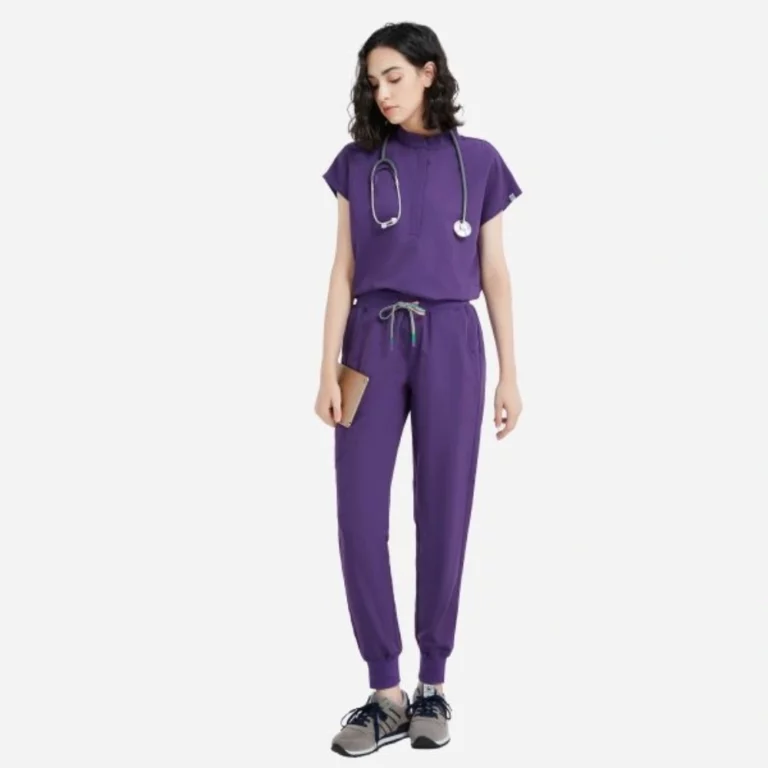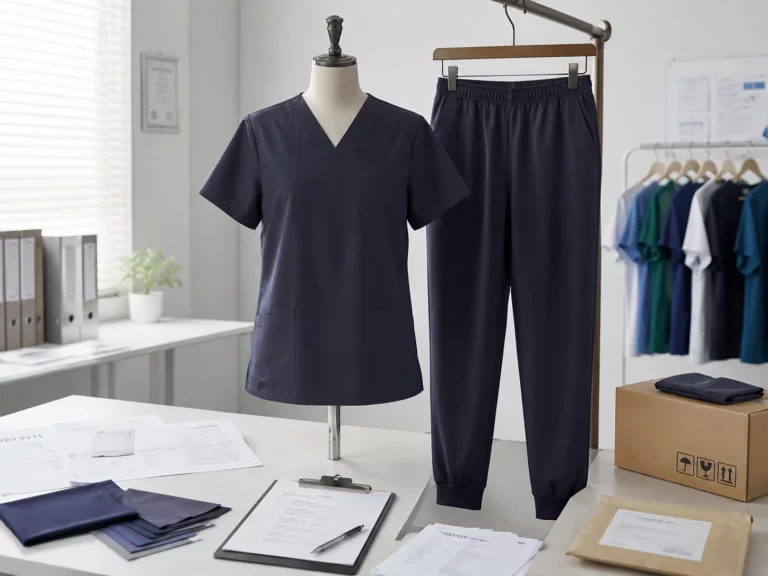
Underscrubs rarely get the first line in a uniform meeting. They are hidden under the scrub top, so teams often approve them late, after the color card and outer garments are already chosen. Then winter shifts start, treatment rooms feel cold, sleeves rub under jackets, and staff begin wearing their own thermal shirts. That is when the small layer becomes a very visible uniform problem.
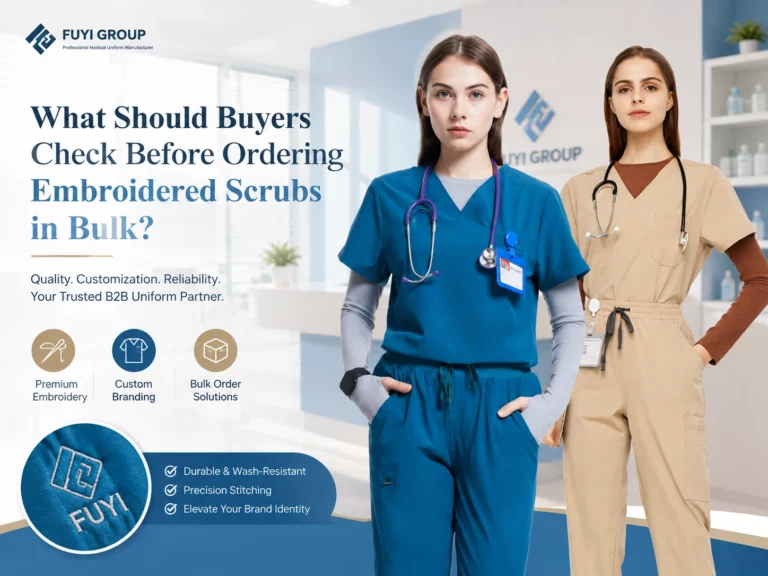
For clinics, dental groups, outpatient centers, veterinary teams, and uniform distributors, the question is practical: which under scrub shirts will staff actually wear without daily adjustment? Fuyi Group supplies medical scrubs and healthcare workwear with design, production, and one-stop customer service, so buyers can discuss underscrubs as part of a full uniform program instead of treating them as a last-minute add-on.
Why Should Clinics Treat Underscrubs as a Separate Uniform Item?
An underscrub sits against the skin and underneath another garment. That simple fact changes the buying logic. The product needs its own notes for fit, fabric, color, laundering, and reorders; otherwise the clinic may approve a neat-looking scrub set that feels awkward once staff add a base layer.
Layering Changes the Fit of the Whole Scrub Set
A sample fitting should include the outer scrub top, not just the underscrub alone. Ask wearers to lift arms, reach across a bed, bend at the elbow, and pull on gloves. If the sleeve drags at the underarm or creates a thick cuff, the issue will show up every shift, not just during the fitting session.
Skin-Contact Comfort Matters Through Long Shifts
Handfeel is not a luxury detail here. The fabric touches the skin for hours, sometimes under a jacket, sometimes in a room where the air conditioning runs hard. During sample review, staff should comment on seam feel, breathability, cling after washing, and whether the shirt still feels comfortable when they move between warmer and cooler areas.
What Fabric and Construction Details Should Buyers Check First?
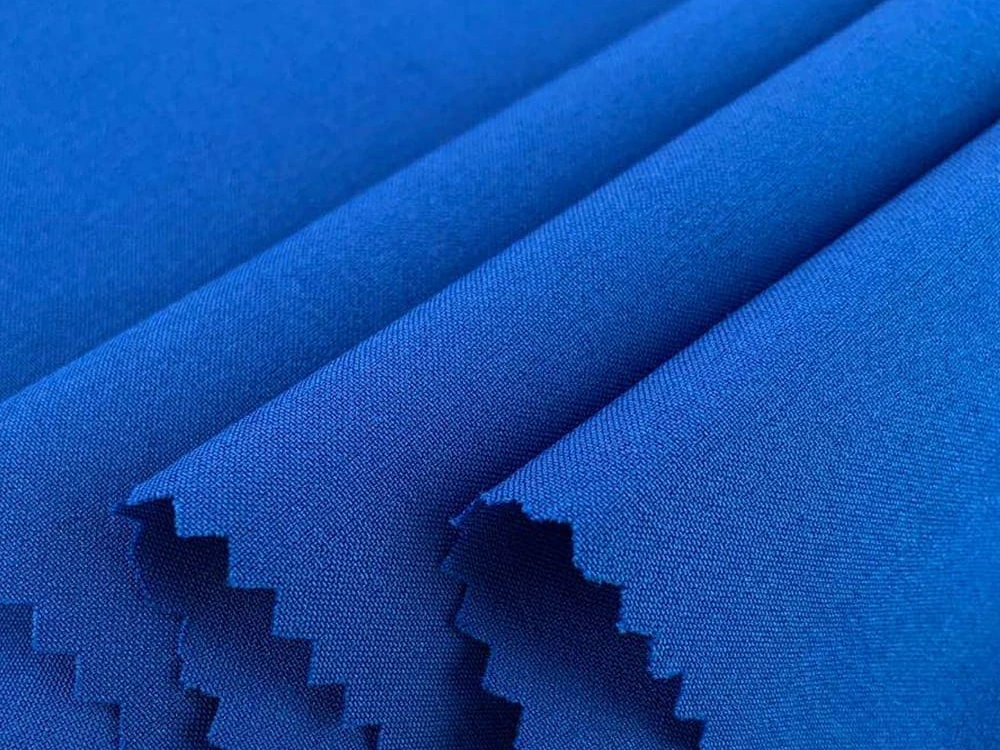
Fabric selection should be judged by what happens after wear and laundry. A soft first touch is helpful, but it does not tell the whole story. The layer has to keep its shape, sit flat under scrub tops, and avoid extra bulk around the arms. Construction details decide whether the uniform still looks tidy after repeated shifts.
Stretch Recovery Should Be Checked After Washing
Stretch is useful only when recovery is reliable. If elbows bag out, sleeves twist, or the neckline opens after washing, the garment starts to look tired quickly. For sample approval, keep one washed sample beside one unwashed sample and compare sleeve shape, neckline shape, surface texture, and overall handfeel.
Neckline and Sleeve Design Should Match the Outer Uniform
The neckline should quietly support the scrub top instead of fighting it. A crew neck may work well under some V-neck scrubs, while a lower-profile neckline may be better when the clinic wants the layer to stay mostly hidden. Sleeve length also needs a practical check: enough arm coverage for comfort, but not so much fabric that it gathers under cuffs or gloves.
How Can Buyers Match Colors, Sizes, and Product Pages to Real Staff Needs?
Color decisions are usually where underscrubs become messy. A shade that looks fine by itself can look too bright under white coats, too dull with navy scrub tops, or slightly mismatched under clinic lighting. Before bulk approval, place the underscrub beside the actual scrub top, jacket, pants, badge, and department color plan.
Color Planning Should Start With Existing Scrub Sets
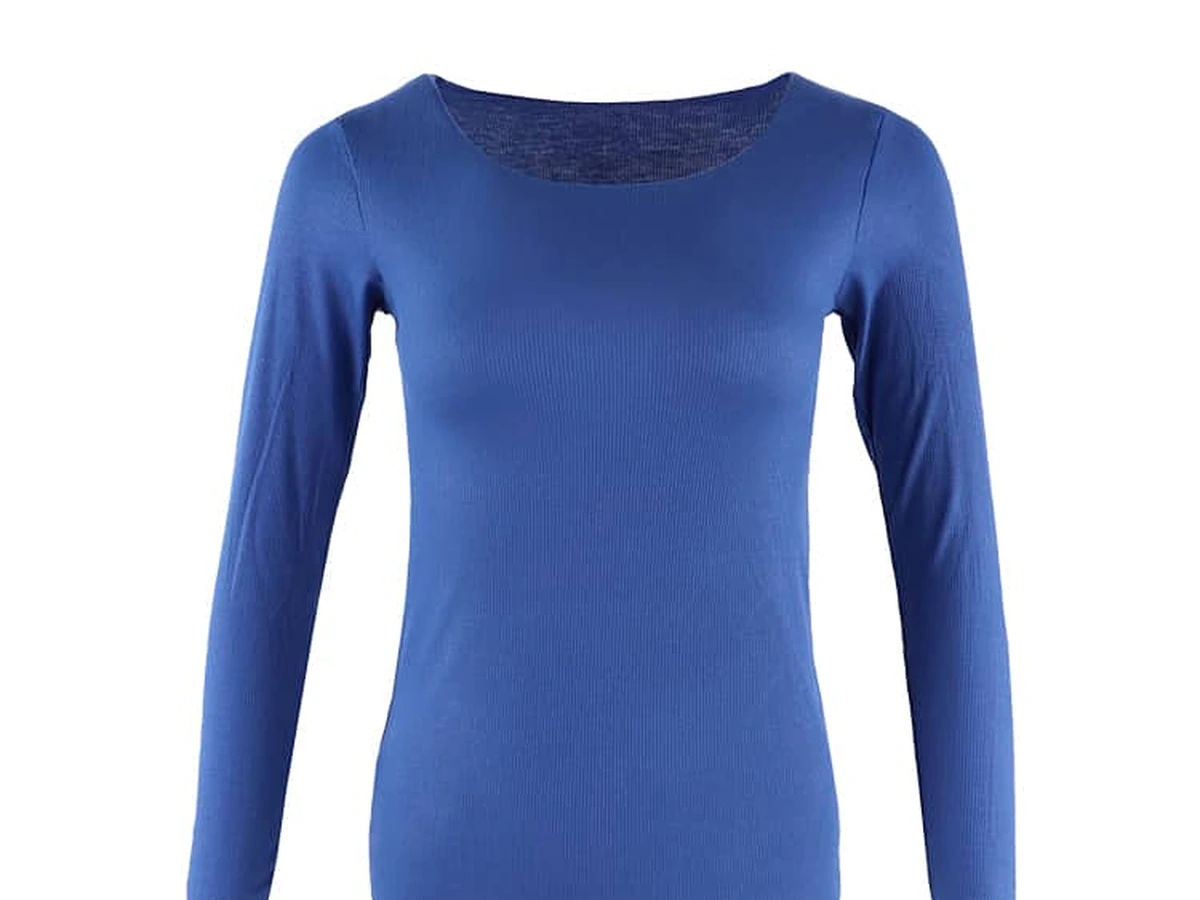
White, grey, blue, black, and soft color options can shift under clinic lighting. Hold the underscrub next to the approved scrub top and jacket before signing off. For a concrete long-sleeve reference, procurement teams can review Juliana Long Sleeve Under SCRUBS Supplier and compare the color direction with their existing medical uniforms.
Size Mix Should Be Approved With Real Wearers
A tight underscrub may look neat in a photo and still feel restrictive under another layer. A loose one may twist, wrinkle, or show through the scrub top. Test a small size run on real wearers and record comments by role. Buyers can also compare Gloria Under Scrub Shirts Wholesale before fixing the final order file.
What Should an RFQ Include Before Bulk Production?
A strong RFQ makes the supplier quote the real uniform need, not just a quantity. Include wearer groups, sleeve length, color standards, fabric expectations, logo or label needs, packaging, sample timing, and reorder plans. If the project is nurse-focused, Best Underscrubs For Nurse gives buyers another product direction to compare before sample approval.
| RFQ Item | What Buyers Should Confirm | Why It Matters |
| Layering fit | Outer scrub top, jacket, sleeve room, neckline, and cuff comfort | Prevents tight arms and visible bunching |
| Fabric and care | Fabric density or GSM, stretch recovery, handfeel, wash-test requirement, drying, and texture | Reduces long-shift and laundry complaints |
| Technical spec sheet | Measurement tolerance, color tolerance, shrinkage target, seam load condition, and approved sample reference | Makes factory approval and reorder comparison clearer |
| Color and size plan | Department colors, sample sizes, size curve, wearer environment, and reorder notes | Keeps future orders consistent |
| Bulk order terms | MOQ, sample timing, shipping method, packing, and customization needs | Helps suppliers quote a realistic order |
MOQ and Customization Details Should Be Written Down
Underscrub orders often include logo, packaging, or graphic requirements. Fuyi product pages for under scrub shirts note a minimum MOQ of 100 sets, general shipping time of 4-15 working days, and support for express, sea freight, land freight, and airfreight. Confirm these details with the final model, and check Our Production when the buying team needs broader factory-background records.
Supplier Records Protect Future Layered Uniform Reorders
The first order should create a repeatable file: product model, fabric direction, fabric density, measurement tolerance, color tolerance, size split, sleeve length, logo method, packaging, and shipment notes. A product option such as Performance Underscrubs Tops can be discussed together with these records, so the next replenishment does not restart the whole sourcing process.
How Should Clinics Test Samples Before Approving the Order?
Sample review should feel a little like a normal shift, not a quick mirror check. Ask two or three staff members to wear the underscrub under the intended scrub top, move through routine tasks, and wash the sample before final comments. A short score sheet is enough: sleeve comfort, neckline visibility, warmth, breathability, and appearance after washing.
Movement Tests Should Include Cool and Warm Areas
Healthcare staff often move from a cool procedure room to a warmer reception area or supply area in the same shift. The underscrub should add comfort without making the wearer feel trapped in an extra layer. During testing, watch arm movement, wrist comfort, neckline visibility, and whether the shirt still sits neatly after several hours.
Approval Should Cover Packaging and Reorder Communication
Packaging sounds boring until the second order arrives. If cartons are not easy to separate by size, color, or department, clinic managers spend extra time sorting garments before distribution. Reorder notes should use the same model name, color reference, size curve, label method, and packaging instruction from the first approved order.
Conclusion
Clinics should choose underscrubs with the same discipline they use for scrub tops, pants, and jackets. The right under scrub shirt should layer smoothly, feel comfortable against the skin, recover after washing, support department colors, and remain easy to reorder. A small sample test before approval can prevent many of the complaints that usually appear only after bulk delivery.
If your team is comparing underscrubs, under scrub shirts, or long sleeve underscrubs for a clinic, distributor, or private-label medical uniform program, prepare the wearer group, size needs, color plan, sample expectations, and reorder schedule. You can review Fuyi Group for the broader workwear background, then send the sourcing details through Contact Us for a model-specific discussion.
FAQs
Q1: What should clinics check first when choosing underscrubs?
A1: Start with layering fit, skin-contact comfort, sleeve length, neckline visibility, fabric recovery, color matching, and sample feedback from real staff.
Q2: Are long sleeve underscrubs suitable for clinic uniforms?
A2: Yes, when the sleeve layer stays smooth under scrub tops, supports movement, and does not overheat staff during long shifts.
Q3: Can Fuyi support bulk underscrub orders with customization?
A3: Yes. Fuyi can discuss model choice, MOQ, logo needs, packaging, shipping methods, and reorder planning for healthcare uniform buyers.