A hospital scrub tender can look complete and still leave the most expensive questions unanswered. The color is named. The size range is listed. A price is agreed. Then the first delivery arrives, and the team finds that the fabric feels different from the approved swatch, a chest pocket sits too low, or cartons reach the site after the handover date.
That is why hospital scrubs need more than a short product description. A useful tender joins three things that are often treated separately: a fabric record, an approved sample, and a delivery plan that can be checked. Each one protects the next. The record tells the supplier what to make. The sample shows whether that instruction works on a real garment. The delivery plan keeps the approved version from getting lost once the order becomes large.
This matters whether the order is for one department or several locations. The same simple controls help buyers compare medical scrubs without guessing, give suppliers a clear brief, and keep scrub uniforms consistent when staff sizes and shift patterns differ.
Start With the Failure the Tender Must Prevent
The first question is not “Which style looks best?” It is “What cannot go wrong after award?” A ward that changes clothes several times a week will notice different problems from a clinic that issues a small annual order. A surgical team may care most about color and a controlled fit. A mobile care team may care more about stretch, pockets, and easy movement.
Write those priorities as plain acceptance points. Avoid phrases such as “premium fabric” or “high quality finish.” They sound positive, but nobody can inspect them. Say what the fabric must be, which colors are approved, how the top and trousers should fit, where any logo goes, and what must be checked before shipment.
It also helps to separate requirements into three groups. First come the items that must match every time: fiber content, color, sizing, construction, labeling, and care instructions. Second come the working details: pocket placement, waist adjustment, side slits, or the cut of the leg. Third come the tender controls: sample approval, inspection method, delivery dates, packing list, and the process for a nonconforming shipment.
This order makes decisions easier. A team can accept a small visual variation in a pocket shape, for example, while rejecting a fabric substitution that was never approved. It also gives a medical uniform manufacturer a brief that can be priced and produced without filling gaps through assumption.
For a starting point, a buyer can review the available medical scrub collection by garment type, then turn the chosen type into a written requirement. A catalog is useful for comparing options. It is not the tender specification.
Turn Fabric Claims Into a Usable Report
Fabric is where vague wording causes the longest argument later. The tender should ask for a report or technical record that states the fiber blend, fabric weight or construction if relevant to the project, color reference, care instructions, and any finish that has been requested. If a local tender requires a laboratory test or a named standard, identify that requirement before quotes are compared. Do not assume that a general fabric description proves a project-specific test.
For hospital scrubs, the buyer should also ask which item the record applies to. A supplier may offer several fabric groups, and a swatch from one group should not stand in for all of them. The same check matters for scrub uniforms ordered in more than one color. A fabric name alone cannot confirm that the dark shade, light shade, and trim all came from the approved material.
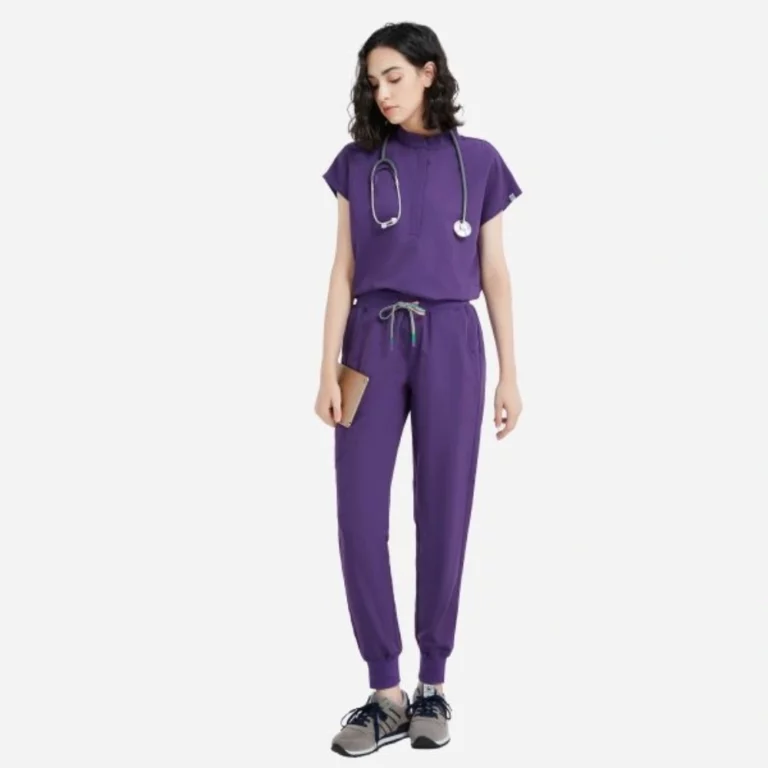
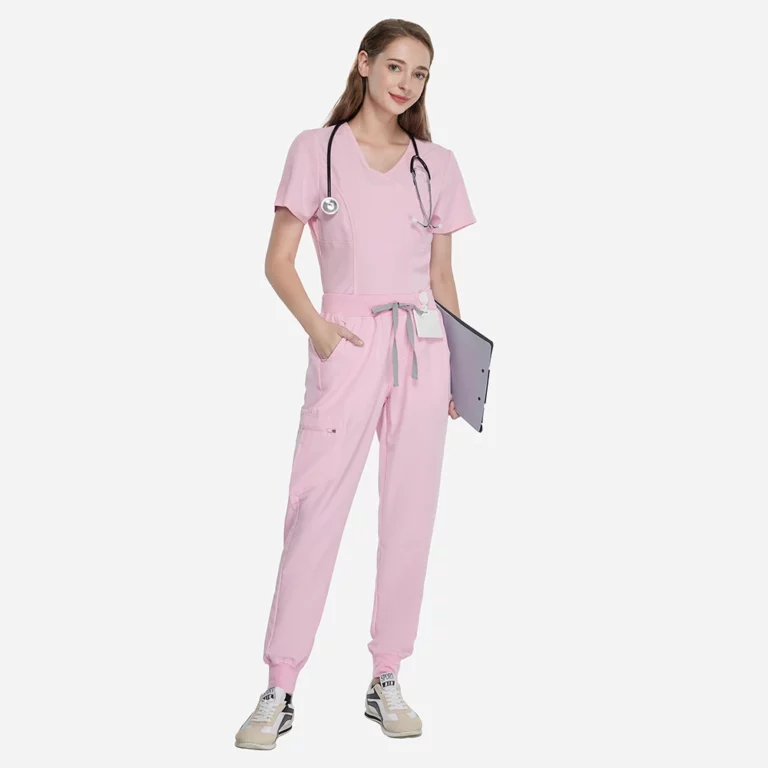
The 309 TS scrub set gives a concrete example of the level of detail worth recording. Its listed fabric is 94% polyester and 6% spandex. The style also has a V-neck, front patch pockets, a chest Velcro detail, side hem slits, a drawstring waist, and jogger-style trousers. Those details are not a universal answer for every hospital. They show why a buyer should approve the fabric and the garment build together. A blend may suit the brief, but the result still has to work when the wearer bends, reaches, sits, and carries everyday items.
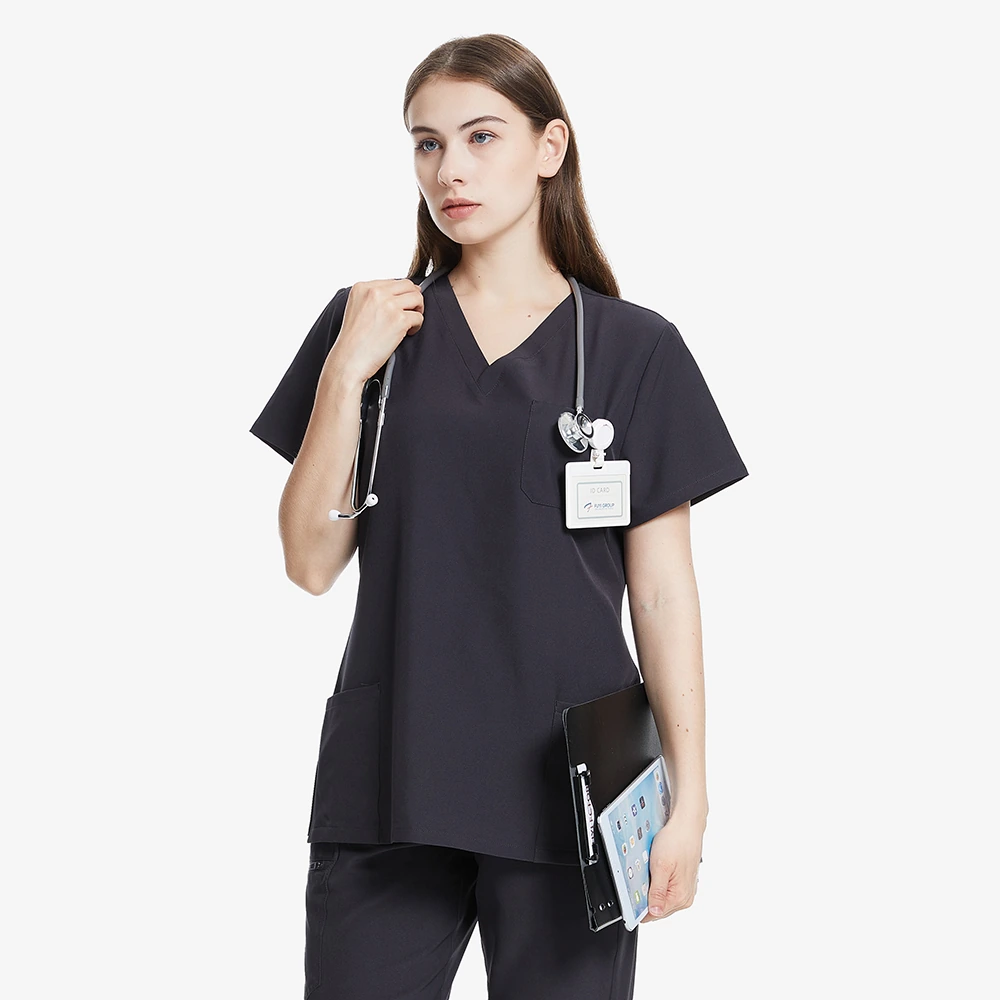
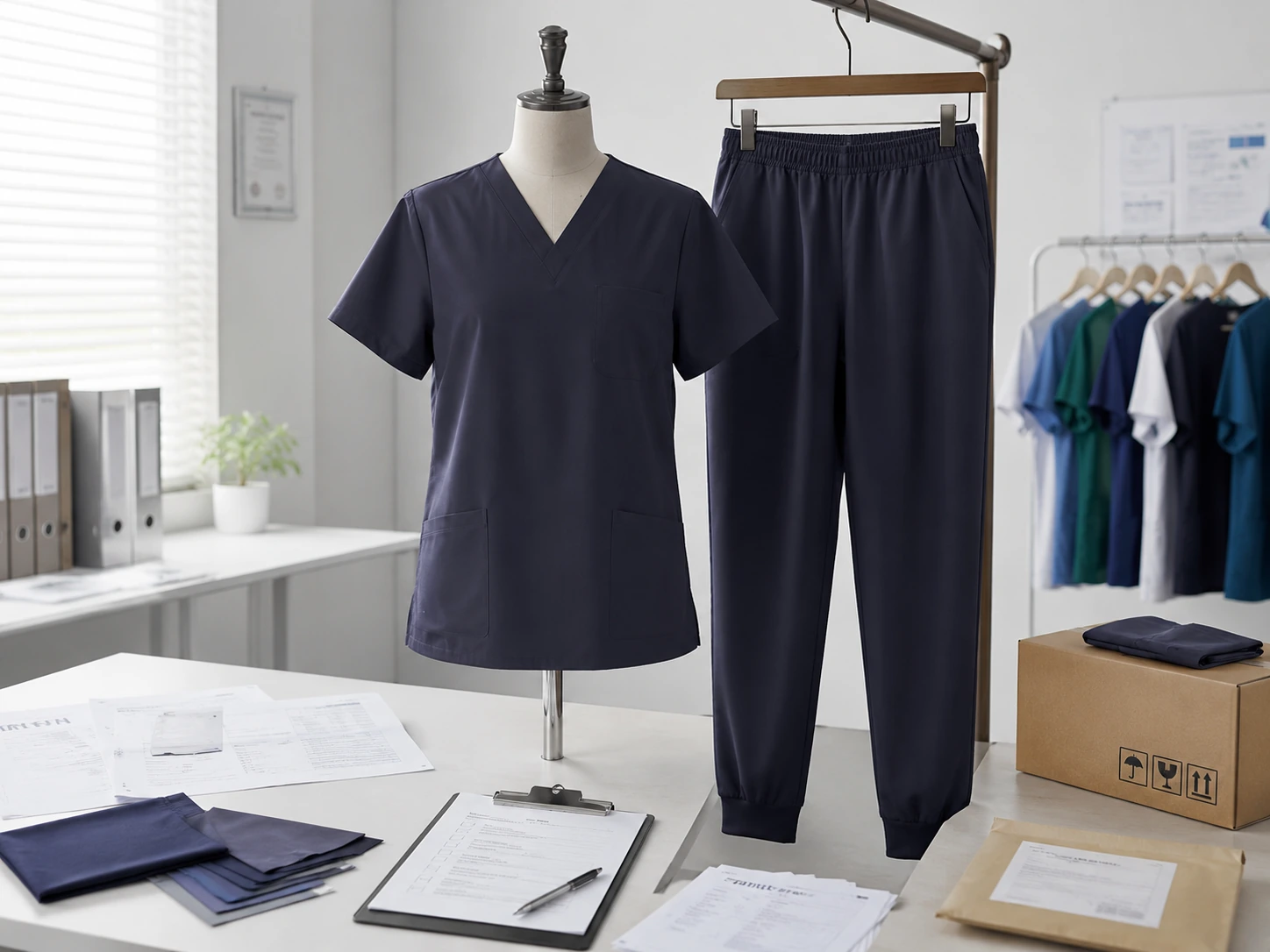
Keep the report short enough to use. One page is often better than a long file that nobody checks. The important point is that the report and the approved sample use the same style name, color, fabric description, and revision date. When a later question comes up, the team should be able to put the garment beside the record and see what was agreed.
Make the Sample Do the Hard Work
A photo can show a color. It cannot show whether a cuff twists, a pocket pulls open, or a waistband becomes uncomfortable after a long shift. That is the sample’s job.
Ask for the sample after the key choices are written down, not before. The sample request should identify the exact fabric, color, size set, trims, logo method if used, and required labeling. Include the people who will use the garment in the approval step. A procurement lead can check paperwork, but a nurse or technician is more likely to notice that a pocket blocks movement or that a neckline sits differently when an ID badge is attached.
Check the sample in two states. First, inspect it flat and unworn: seams, stitching, pocket position, color, label, and logo. Then ask a wearer to move through ordinary tasks: raise both arms, bend to a low shelf, sit, walk quickly, and use the pockets with the items normally carried. This is where medical scrubs stop being a specification and become work clothing.
The sample review should end with one of three clear results: approved, approved with listed changes, or rejected. “Looks good” is not enough. If a change is needed, describe the change and request a revised sample or a marked confirmation. That discipline saves time on bulk scrubs because the factory is not expected to interpret a casual comment from an email thread.

This is also the right moment to discuss how custom requests will move through production. Fuyi OEM and ODM service covers material selection, manufacturing, quality control, delivery, and after-sales support. For a tender, that broad path only becomes useful when the buyer supplies a controlled brief and names who can approve changes. The 309 TS style has a listed MOQ of 50 sets, but the minimum for a specific tender should be confirmed with the final style, color, and customization requirements.
Control Delivery Before the Award
Delivery should be written as a sequence of checkable points, not as one promise at the end of the quote. Start with the date when the supplier receives a complete, approved brief. Then list the sample approval date, production start, inspection window, packing confirmation, dispatch date, and expected arrival date. State whether logistics time is included. That one detail prevents many avoidable misunderstandings.
The production and inspection process published by Fuyi gives buyers useful points to discuss: it works to AQL2.5 or AQL4.0 standards and accepts customer-selected third-party inspection, including SGS and ITS, as a shipment quality standard. It also lists target timings of seven days for a customer sample order, 14 days for trial sale, 21 days for a small order, and 35 days for normal bulk production, excluding logistics. These are planning references, not a substitute for a tender-specific commitment. The actual order should state the final dates, the inspection level, and the documents needed before release.
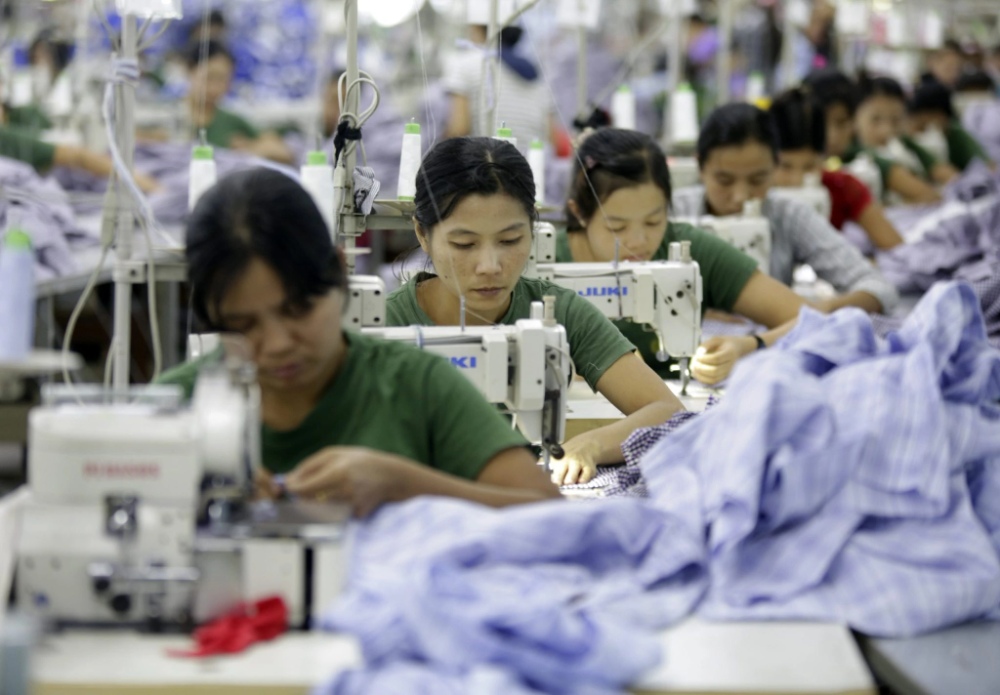
Before the award, ask who checks the size breakdown, who approves a substitute material, and who signs off on packing marks. Then set a simple rule: no substitution is valid unless it is approved in writing by the named buyer contact. This is especially important for bulk scrubs. A change that seems minor on one garment becomes very visible across hundreds of sets.
The delivery section should also cover the practical handover. Require a packing list that matches the purchase order, size and color breakdowns by carton, and a way to identify the approved production revision. That record makes it easier to receive medical scrubs at several locations and much easier to place a repeat order months later.
Conclusion
The strongest hospital scrub tender is not the longest one. It gives every decision a place: fabric in a report, fit and function in a sample, and timing in a written delivery plan. That makes comparison fairer for suppliers and safer for the hospital team that will wear the garments.
Before asking for a final quotation, prepare a one-page brief with the garment type, fabric requirement, color, size range, sample decision, inspection point, and delivery date. Send that brief when you contact the Fuyi team about a project. It gives a medical uniform manufacturer the information needed to discuss the right product series, sample route, and order controls from the start.
FAQs
Q1: What should a hospital ask for in a scrub fabric report?
A1: Ask for the fiber blend, the fabric construction or weight if it matters to the brief, color reference, care instructions, and any requested finish. If the tender requires a laboratory test or a named standard, request that evidence separately and make it part of the acceptance file.
Q2: Is one sample enough for a scrub tender?
A2: One approved sample can be enough for a simple repeat style, but it must match the final fabric, color, trims, logo method, and labels. Add sizes or colors when those changes could affect fit or appearance. The point is to approve the version that will be produced, not a close substitute.
Q3: How can a buyer control delivery for bulk scrubs?
A3: Link the delivery date to clear milestones: complete brief, sample approval, production start, inspection, packing confirmation, dispatch, and arrival. State whether freight time is included. Also name the person who can approve substitutions, so a late change does not turn into an untraceable decision.