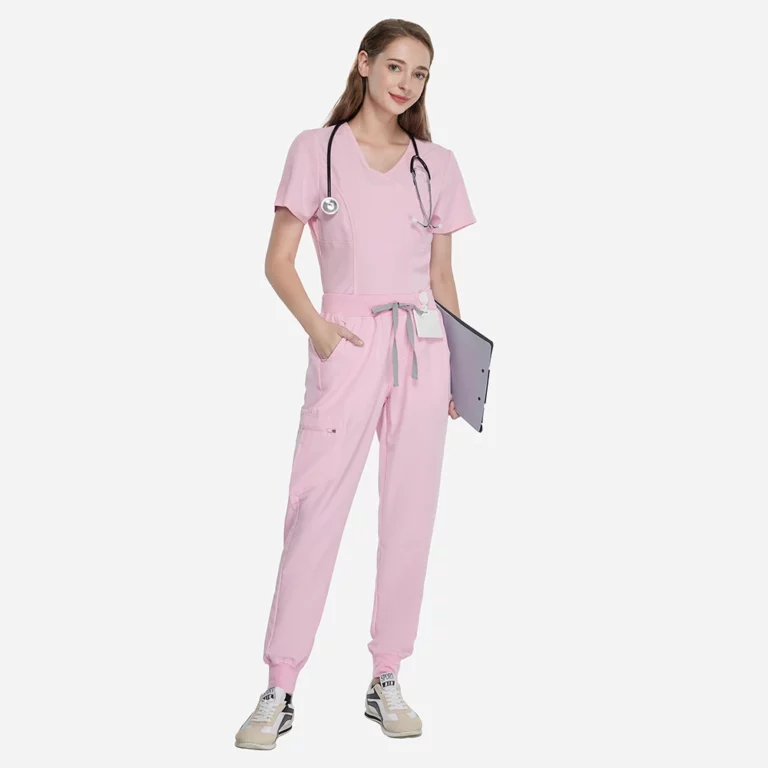
Current research in child psychology points to a clear change in healthcare settings. Hospitals are shifting from plain white outfits to ease kids’ worry. Young patients often feel a quick rise in pulse just seeing a basic doctor’s jacket. They link the plain cloth to shots and hurt. To fight this quick scare, kids’ areas now use lively, interesting sights to draw attention. A bright outfit serves as a fast way to connect a scared little one with a caregiver. Yet, this change brings a new issue for clinic leaders and workers. Locating clothes with fun prints that do not feel hard or airless proves tough. Child care staff face tough 12-hour days. These involve stooping, raising, and holding small patients. They truly require outfits that work like sports clothes but seem very friendly. Striking the proper mix of smart cloth tech and kid-appealing looks greatly alters the routine for patients and staff alike.
The Psychological Role of Wardrobe Choices
Picking the proper design goes well past basic looks. The sight around a young patient strongly affects their response to care. When a unit adds careful patterns to everyday tasks, the whole setting turns from scary to inviting. This lowers the hurdle to good treatment a lot.
Tackling Childhood Medical Fear
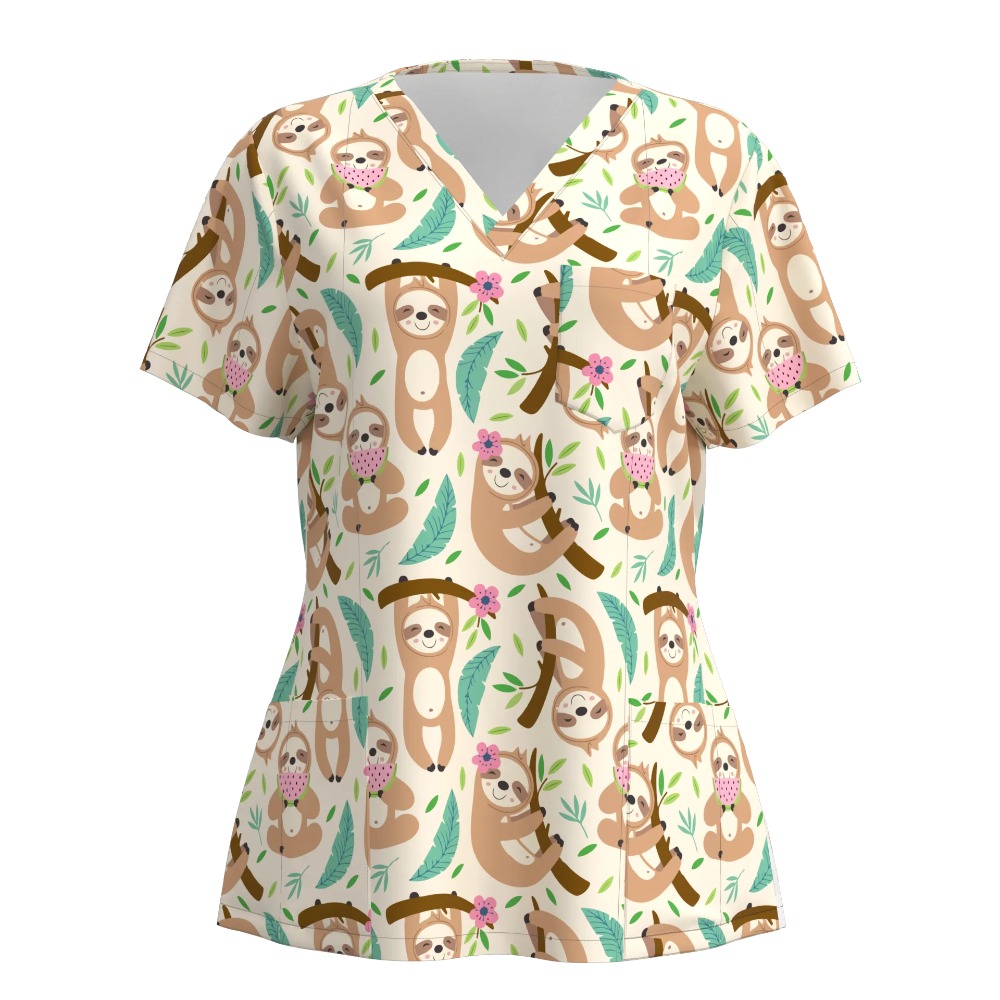
Several local hospitals note that nearly 50% of kids show strong upset before common tasks like shots or simple blood tests. Playful scrubs work as a useful aid to shift focus. A top with drawn creatures, lively reptiles, or rocket ships gives a nurse a clear topic to discuss while readying a listener. This sight pulls the child’s mind away. As a result, they pay less heed to the chilly tools. Adorable scrubs mainly act as a clothing item that eases the first rush of alarm. It changes a tense time into an easy chat about the images on the top.
Building Immediate Trust
Trust forms incredibly fast when children see something familiar. Animals, bright primary colors, and recognizable shapes signal safety to a developing brain. When a nurse walks into a hospital room wearing printed scrubs, the child immediately registers a friendly presence rather than a clinical threat. This small wardrobe choice reduces crying and physical resistance. It saves valuable time during busy shifts and makes the necessary medical procedures safer and much more efficient for everyone involved in the room.
Essential Performance Traits for Daily Wear
While the visual appeal captures the child’s attention, the physical construction of the garment dictates the nurse’s comfort. Pediatric care is incredibly active. Therefore, the base material must withstand constant movement, frequent washing, and the unpredictable spills that happen when treating infants and toddlers all day long.
Prioritizing Advanced Fabric Flexibility
You simply cannot chase a running toddler down a busy hospital hallway in rigid clothing. Comfortable scrubs demand advanced textile engineering to support extreme daily mobility. The current industry standard relies heavily on a specific four-way stretch blend. Materials combining exactly 72% polyester, 21% rayon, and 7% spandex provide the precise elasticity needed for deep bending and stretching over hospital beds. Weighing in at roughly 200 GSM, this fabric thickness offers excellent tear resistance without trapping excessive body heat. The stretch recovery means the pants and tops return to their original shape immediately, preventing that baggy, worn-out look by the end of a long 12-hour rotation.
Safety Standards for Infant Contact
Pediatric nurses frequently hold newborns and carry small children against their shoulders. Because the fabric directly touches highly sensitive infant skin, high-quality nursing scrubs must pass rigorous safety tests. The textiles should be completely free from formaldehyde, fluorescent agents, and harmful heavy metals. Medical garments compliant with strict safety standards, such as the GB 31701 regulations for children’s safety, guarantee that the clothes will not cause skin irritation or allergic reactions for the vulnerable patients or the dedicated professionals wearing them.
Practical Design Elements for Pediatric Care
Beyond the fabric composition, the physical architecture of the garment heavily dictates daily efficiency. Pediatric nurses carry a multitude of small medical tools, reward stickers, and penlights. The layout of the uniform must support this constant need for quick, reliable access.
Strategic Pocket Engineering
A standard single chest pocket is rarely enough for a pediatric professional. Modern medical apparel incorporates multi-pocket systems designed for specific tools. You will often find hidden side pockets for smartphones, layered cargo pockets on the pants for medical tape, and dedicated slots for heavy duty scissors. Having immediate access to a distraction toy or a brightly colored sticker from a lower leg pocket can stop a child’s tears before they even begin.
Neckline and Hem Considerations
The cut of the uniform plays a huge role in physical comfort. Classic V-neck designs remain popular because they do not restrict the collarbone when a nurse leans over a crib. Additionally, side slit hems on the shirt allow the fabric to expand naturally across the hips when sitting down. Many modern pants also feature tapered jogger ankles with soft ribbed stitching, which prevents the fabric from dragging on the floor and picking up unwanted hospital bacteria.
Navigating the Washing and Fading Problem
One major complaint regarding themed scrubs is how quickly their appearance deteriorates. Medical uniforms face brutal cleaning cycles. Hospitals use strong disinfectants and incredibly hot water to eliminate bacteria completely. Cheaply made prints crack, peel, or fade into a blurry mess after just a few trips to the laundry.
- Digital Printing Technology: Traditional dye methods simply sit on top of the fabric layer. Modern digital printing binds the color directly deep into the synthetic fibers. This specific process prevents the designs from stiffening the material, keeping the garment soft.
- Intense Color Fastness: A quality set of pediatric scrubs should maintain a high color fastness rating. Premium fabrics undergo 84 disinfectant immersion tests. Even after 20 immersions at a concentration of 500ppm, top-tier fabrics retain their bright patterns without any bleeding.
- Liquid Repellency: Working with sick kids means dealing with constant spills and bodily fluids. Many premium options now feature a specialized water-repellent finish. Liquids simply slide right off the fabric surface, keeping the print looking sharp and the nurse entirely dry.
To highlight the massive difference in quality, here is a quick breakdown of how fabric choices impact daily work life:
| Feature | Traditional Cotton Uniforms | Modern Poly-Rayon Stretch Blends |
| Mobility | Rigid structure, severely limits deep bending. | True 4-way stretch, moves naturally with the body. |
| Color Retention | Prints wash out and fade quickly after 10 washes. | Holds vibrant digital prints past 50 industrial washes. |
| Liquid Resistance | Absorbs spills and medicines immediately. | Repels fluids, keeping the wearer clean and dry. |
| Skin Feel | Can become rough and abrasive over time. | Remains extremely soft and safe for infant contact. |
Smart Procurement for Medical Facilities
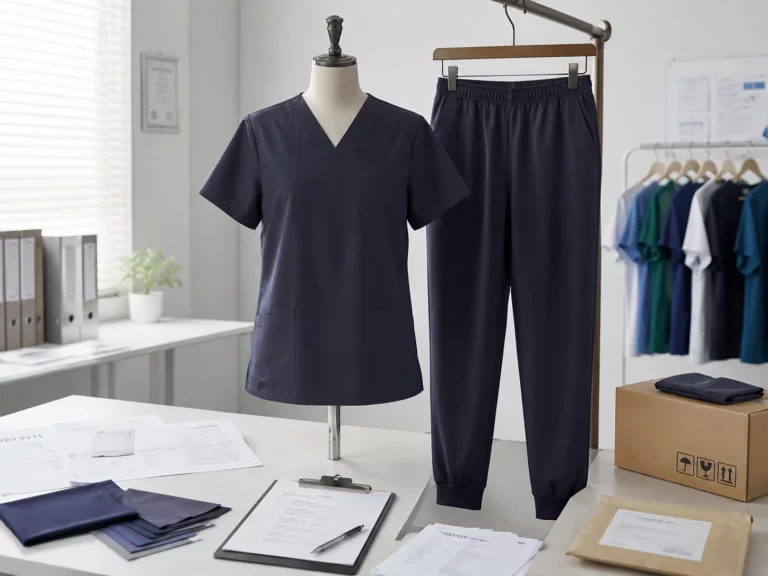
Managing uniform supplies for an entire clinic requires balancing individual staff preferences with strict budget constraints. Administrators must find reliable sources that deliver consistent sizing, durable fabrics, and a wide variety of engaging designs. This approach keeps the medical team well-equipped without inflating the annual operational costs of the hospital.
Sourcing Bulk Orders Efficiently
Buying individual pieces from local retail stores quickly drains a clinic’s annual budget. Purchasing directly from a large-scale manufacturer offers massive financial advantages. When outfitting a whole pediatric department, you want the team to look cohesive but still display individual flair. Direct sourcing allows medical administrators to buy themed scrubs in wholesale price tiers, which drastically lowers the cost per unit. This strategy also guarantees that the sizing remains completely standardized across the entire facility. You avoid the frustrating problem of a medium from one brand fitting completely differently than a medium from another.
Managing Seasonal Inventory
Pediatric wards frequently rotate their uniform styles based on the current season. Halloween pumpkins, Christmas snowflakes, and summer beach-themed prints keep the hospital environment dynamic and exciting for long-term patients. Working with a dedicated manufacturer means a clinic can plan these seasonal wardrobe changes months in advance. Factories with robust supply chains can deliver custom batches within 45 days. This reliability helps hospital managers secure stable inventory, maintain high morale among the staff, and completely avoid expensive last-minute retail markups.
Conclusion
Equipping a pediatric team with the right apparel directly impacts the quality of patient care and daily staff morale. The ideal uniform perfectly blends child-friendly aesthetics with high-performance, skin-safe materials. Finding this exact balance requires a manufacturing partner that deeply understands the intense physical demands of the medical field. Fuyi Group has led the global uniform manufacturing industry since 1966. Operating highly advanced facilities with a massive annual capacity of five million units, they maintain complete control over the entire supply chain—from raw fabric weaving to final garment construction. Holding major global certifications like OEKO-TEX and GRS, Fuyi Group delivers exceptionally durable, digitally printed fabrics that easily survive rigorous hospital washing. If your pediatric clinic needs reliable, cost-effective medical workwear, contact us today to explore their comprehensive wholesale manufacturing solutions.
FAQs
Q: Why do pediatric nurses wear themed scrubs?
A: Cute scrubs act as effective visual distractions, helping to lower anxiety and build quick trust with young patients.
Q: Do printed scrubs fade after hospital washing?
A: Premium printed scrubs utilize digital printing technology to keep colors bright even after 50 intense industrial wash cycles.
Q: What material makes the most comfortable scrubs?
A: A blend of polyester, rayon, and spandex provides four-way stretch, offering superior mobility and softness for nursing scrubs.