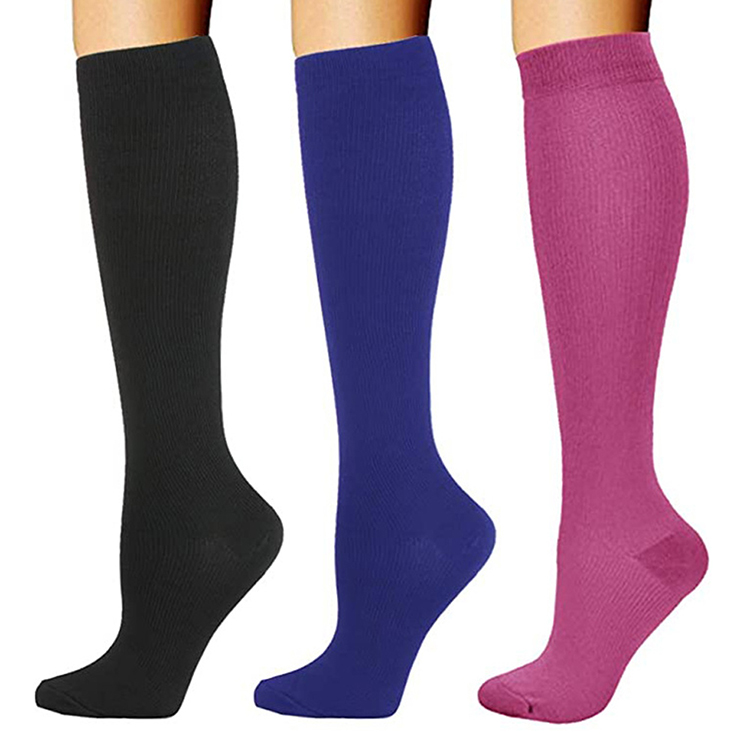
In a healthcare uniform order, compression socks are a small item that can create a large amount of buyer confusion. One team may ask for black socks for a clinic floor. Another may need patterned pairs for a retail gift set. A distributor may want a simple add-on item that fits existing medical scrubs, jackets, and staff kits. The product looks easy until the buyer has to confirm size range, compression level, fabric handfeel, packaging, and reorder consistency.
For hospitals, outpatient clinics, dental groups, and uniform distributors, compression socks should be treated as a planned part of the staff uniform program. The goal is not to make medical claims. The practical goal is to source a comfortable, clearly specified sock that staff can wear through long shifts and that purchasing teams can reorder without changing the approved look.
Why Should Compression Socks Be Planned With the Uniform Order?
Many buyers add compression socks late because the main budget goes to tops, pants, jackets, and lab coats first. That timing can create small problems that spread across a team. Socks may arrive in the wrong shade, use a different size logic from the uniform set, or come in packaging that does not match the department order. Planning them early keeps the accessory aligned with the wider healthcare uniform program.
Staff Roles Create Different Wearing Needs
A reception team, a dental assistant group, and a ward nursing team may not wear socks in the same way. Some staff want plain dark colors that disappear under scrub pants. Others prefer brighter patterns because the sock becomes part of the staff style. Buyers should define the work setting first, then decide whether the order needs basic black, white, grey, navy, or a patterned group. This step sounds simple, but it prevents a buyer from approving a sample that only fits one department.
Uniform Colors Should Not Be Treated as an Afterthought
Although socks sit below the uniform, they are still visible when staff sit, bend, or wear jogger-style pants. Color therefore needs a real approval process. A black sock may look different beside navy pants. A grey sock may feel too casual in a front-desk setting. If a clinic has clear department colors, the sock selection should be checked under the same lighting used for scrub tops and pants.
What Product Details Should Buyers Confirm Before Sampling?
A good sample request should describe the sock as a uniform product, not as a loose accessory. Buyers need enough detail for the supplier to understand who will wear it, where it will be sold or issued, and what kind of repeat order may follow. This is especially important when buyers compare patterned socks, plain medical leg compression socks, and mixed retail packs.
Compression Level and Size Range Need Written Approval
Before a bulk order moves forward, buyers should ask the supplier to write down the target compression specification, calf and foot size tolerance, sock length, cuff width, and fabric composition. The exact specification should come from the buyer’s market requirements and the supplier’s confirmed product data. For a clinic order, the key point is consistency. Staff should not receive one batch with a firm cuff and another batch with a looser feel just because the reorder was described only as compression socks.
Fabric Handfeel and Cuff Pressure Affect Daily Use
The first sample should be checked by touch, stretch, recovery, and cuff comfort. A sock can look clean in a catalogue photo and still feel too tight at the top edge. It can also stretch well in the hand but recover poorly after washing. Buyers comparing ‘compression socks for nurse’ options should ask for samples in more than one size, then check whether the fabric returns smoothly after a normal wash cycle.
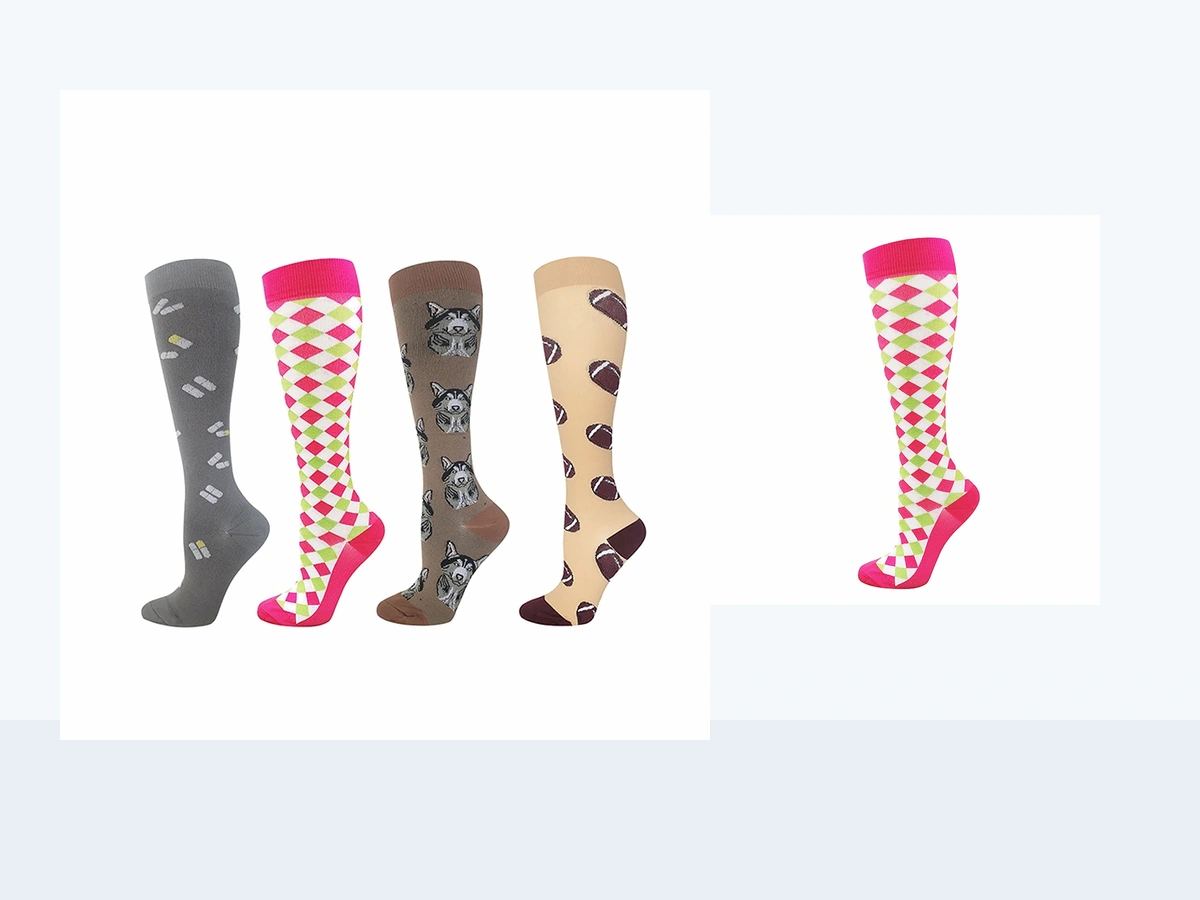
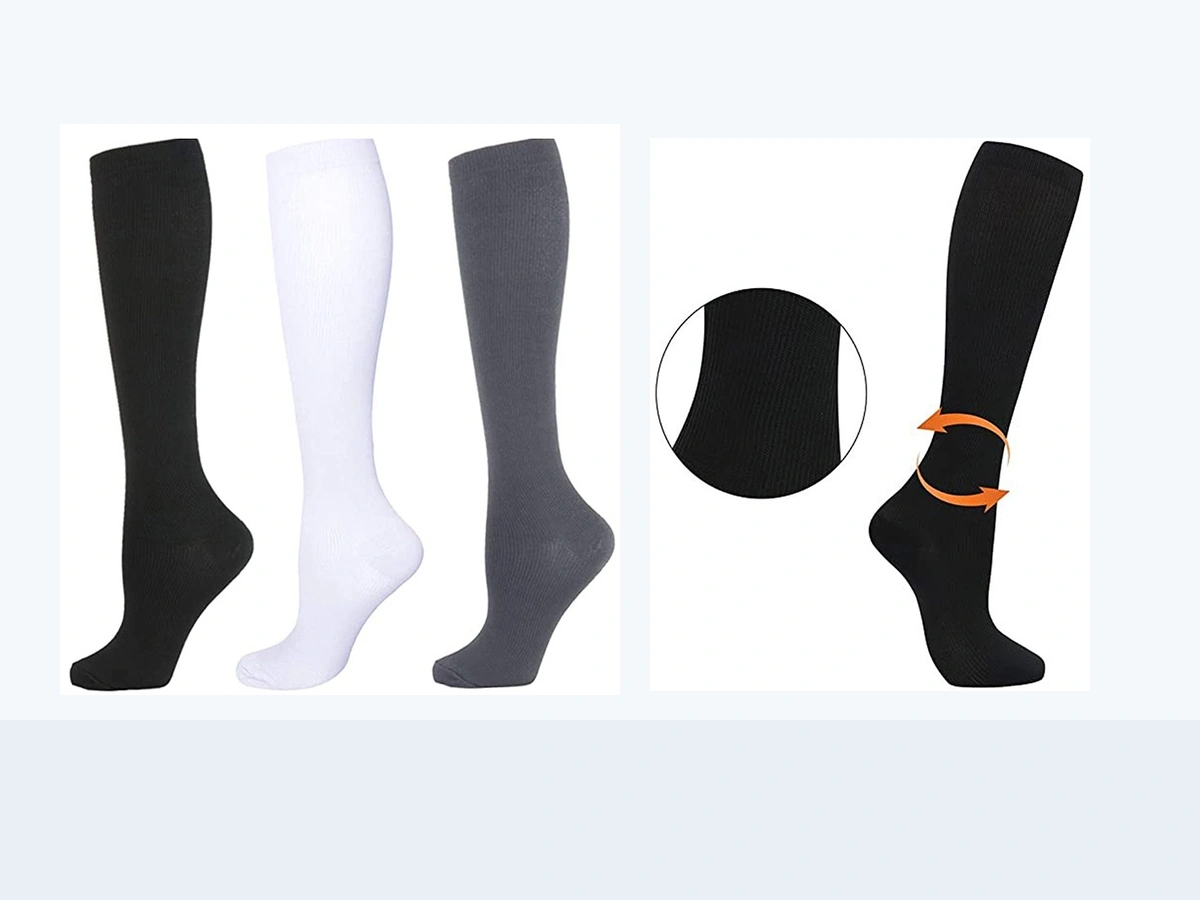
For product shortlisting, buyers can start with Compression Socks For Nurse when they need patterned options for nursing teams or retail healthcare uniform programs. For plainer clinical orders, Medical Leg Compression Socks can be used as a separate reference point during sample discussion.
How Should Clinics Test Samples Before Bulk Orders?
Sample approval should happen in the same conditions where the socks will be worn. A buyer can learn some things from a desk check, but comfort, calf fit, cuff pressure, and color matching are easier to judge after staff have worn the sample with the actual uniform. A short trial also helps purchasing teams catch issues before the order becomes a full department rollout.
Wear Trials Should Include Different Staff Profiles
A single sample on one person is not enough. Buyers should include staff with different calf shapes, shoe sizes, shift lengths, and uniform styles. If the clinic uses jogger pants, the sock may be more visible. If staff wear straight-leg scrub pants, the color may matter less, but cuff pressure and fabric comfort still matter. Notes from the trial should be specific: too tight at the cuff, slides down after four hours, good with navy pants, or pattern feels too bright for reception.
Wash Checks Should Be Finished Before the Purchase Order
Before final approval, buyers should wash compression socks and check shrinkage, twisting, pilling, elastic recovery, color change, and the wearing environment where the sample will be used. This does not need to be a complicated lab report for every small order, but it should be more than a first impression. If the buyer plans repeat orders, the approved sample and wash notes should be saved with the order record.
What Should Distributors Check for Packaging and Reorders?
For distributors, packaging can decide whether the sock line is easy to sell, store, and replenish. A pair that works well in a clinic may still create warehouse trouble if sizes are hard to identify or color names are inconsistent. Packaging decisions should therefore be confirmed before quotation, not after production has started.
Pairing, Size Codes, and Labels Must Be Easy to Read
Each pair should be packed in a way that matches the sales channel. A hospital issue order may need simple size stickers and department labels. A retail program may need hang tags, barcode placement, inner pack rules, and color descriptions that match the online listing. Buyers should also confirm whether mixed-color packs are acceptable or whether each size and color must be separated by carton.
Reorder Notes Protect the Approved Program
A reorder should not depend on memory. Buyers should keep the approved product name, size range, compression specification, color code, packing method, and sample date in one record. If a program also includes scrub sets, jackets, or other uniform items from Fuyi Group, those records should travel together so that the next order does not drift from the first approved batch.
How Can Fuyi Support Compression Socks in Healthcare Uniform Programs?
Fuyi works with healthcare uniform buyers who need practical order details, not just product names. For compression socks, the useful conversation starts with the staff use case, target colors, sizing plan, packaging method, and expected reorder rhythm. That keeps the enquiry clear and gives the supplier enough information to recommend a suitable direction.
Product Selection Should Start From the Staff Use Case
If the order belongs to a wider uniform rollout, buyers can also review Our Production to understand how supplier communication, production planning, and quality checks fit into a larger apparel program. The sock choice should then support the same program logic: clear samples, written specifications, consistent packing, and clean reorder records.
RFQ Details Should Be Clear Before Quotation
A useful RFQ should include target quantity, sock length, calf and foot size tolerance, compression direction, cuff width, color or pattern, fabric composition, package method, label needs, destination market, wearing environment, wash test requirement, and expected reorder plan. Buyers should also state whether the order is for internal clinic use, distributor stock, retail sale, or a mixed healthcare uniform program. Clear RFQ details help the supplier quote the right item instead of guessing from a broad phrase such as compression socks.
| RFQ Item | What Buyers Should Confirm |
| Use environment | Clinic, dental office, ward, retail stock, or distributor program |
| Fit and tolerance | Sock length, calf range, foot size range, cuff width, and acceptable fit tolerance |
| Material and compression | Fabric composition, compression direction, sample feel, and supplier-confirmed specification |
| Testing request | Wash test, color check, elastic recovery, pilling check, and sample approval date |
| Packing and reorder | Pair packing, size code, label or barcode needs, carton split, and reorder record |
Conclusion
This accessory works best when buyers treat compression socks as part of the healthcare uniform system. The safest sourcing path is simple: define the staff use case, confirm compression and sizing details in writing, test samples with real uniforms, check wash behavior, and keep packaging and reorder notes clear. That process helps clinics and distributors avoid small mistakes that can become repeated complaints after delivery.
If your team is comparing compression socks, compression socks for nurse programs, or medical leg compression socks for a clinic, hospital, or distributor order, send the target specification and order plan through Contact Us so Fuyi can help review the sourcing details before quotation.
FAQs
Q1: What should clinics confirm first when sourcing compression socks?
A1: Start with the staff use case. Confirm who will wear the socks, whether they need plain or patterned options, the required size range, target compression specification, packaging method, and how the socks should match the existing uniform program.
Q2: Can compression socks be added to a nurse uniform order?
A2: Yes. Many buyers source them as an accessory item within a wider nurse uniform or healthcare uniform program. The key is to approve samples with the actual scrub pants and shoes, not as a separate product only.
Q3: What details should be included in a compression socks RFQ?
A3: Include quantity, length, size range, compression direction, color or pattern, package style, label requirements, destination market, and reorder expectations. These details help the supplier recommend a more accurate option and quote.