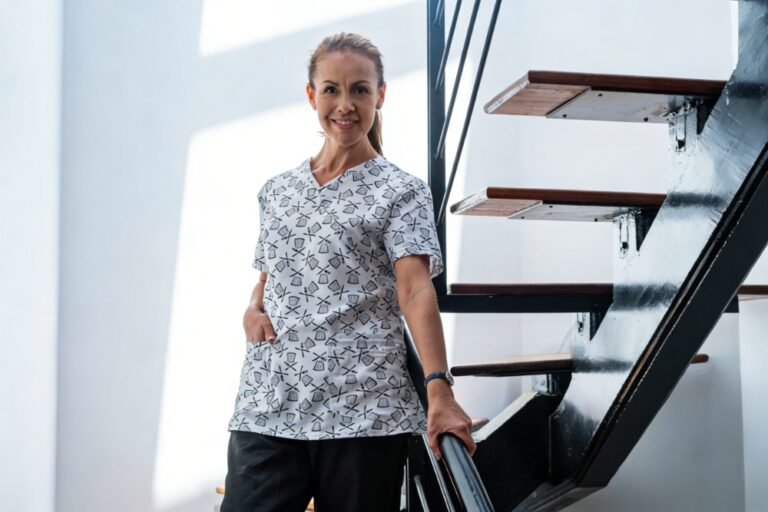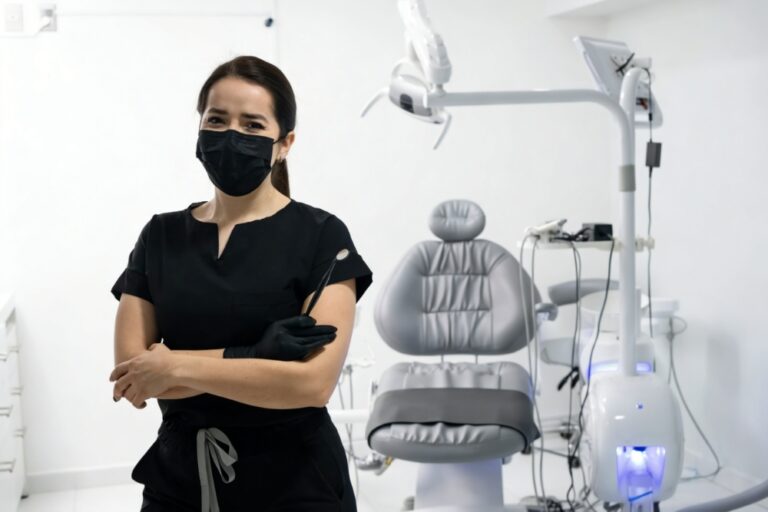
The era has passed when hospital leaders focused solely on simple infection prevention. Nowadays, keeping staff members and ensuring everyday ease rank as key concerns. Hospital committees now understand that requiring experts to handle demanding duties over a tiring 12-hour period while dressed in rough, uneasy clothing represents a poor approach. Attention has turned largely to practical medical clothing. Although common scrubs receive much of the notice, the piece positioned atop a healthcare worker’s head frequently sparks the greatest unspoken annoyance. A badly crafted cap holds in body warmth, leading to skin irritations on the forehead and bothersome sweat trickles. Locating a genuinely airy nurse cap goes beyond mere convenience for operating room personnel; it forms an essential requirement for concentration and bodily ease during routine duties on the unit.
The Real Impact of Fabric on Daily Medical Work
One cannot select a hat merely because it displays an amusing design. The fabric rests right against the scalp for a minimum of 720 minutes each day. Choosing an unsuitable material results in retained dampness, intense scratching, and potential damage to hair strands as time passes. Let us inspect the base materials in detail.
Natural Cottons vs. Synthetic Blends
When a purchasing officer prepares to acquire a fresh supply of scrub caps, they typically encounter two primary fabric options: full cotton or a polyester-cotton mix. A 100% cotton hat offers remarkable gentleness on the skin straight from the container. It draws perspiration away from the brow in a natural manner, which makes it popular among surgeons beneath intense lights in the operating room. However, full cotton carries a drawback. It creases quickly, contracts in elevated-temperature hospital cleaning processes, and usually loses color after 50 cleaning cycles.
A standard 65% polyester and 35% cotton blend often hits the sweet spot for durability and cost. The polyester fibers add sheer strength to the hat. They stop the material from shrinking into a miniature size and lock the dye into the fabric. The 35% cotton still provides enough natural softness to prevent the scalp from feeling wrapped in plastic. For general ward duties, this blend survives the industrial washing machines much better than pure natural fibers. The key is finding a manufacturer who weaves the blend loosely enough to let the scalp release heat.
Why Weight Matters for a Breathable Nurse Cap
Fabric weight completely changes how a piece of nursing headwear feels during a long shift. We measure this weight in Grams per Square Meter (GSM). If a factory uses a heavy 200 GSM fabric to make a hat, the nurses will feel like they are wearing a winter coat on their heads. Heavy fabrics block air circulation, causing the scalp temperature to spike within the first two hours of work.
A high-quality, breathable nurse cap usually sits around 140 to 160 GSM. This specific weight range is thick enough to stop stray hairs from poking through the material, which is critical for sterile environments. Yet, it remains thin enough to let a light breeze pass through the fibers. When a nurse rushes down the hallway to answer an emergency call, a 150 GSM hat allows the trapped body heat to escape instantly. They do not arrive at the patient’s room dripping with sweat.
Evaluating Different Types of Nursing Headwear
Different medical departments require entirely different levels of protection and hygiene protocols. What works perfectly for a pediatric clinic receptionist will absolutely fail inside an active operating theater. We need to look closely at the physical design of the hats worn across various hospital wings today.
Hospitals generally stock two main categories of headwear. Deciding which one belongs in your supply closet comes down to analyzing daily patient volume and laundry costs.
| Feature | Disposable Nurse Caps | Reusable Scrub Caps |
| Initial Cost | Very low per unit (pennies) | Higher upfront investment |
| Maintenance | Zero washing required | Requires daily sterilization |
| Comfort Level | Often scratchy, thin elastic | Soft fabric, custom fit |
| Best Use Case | Outpatient, quick exams, visitors | Surgery, ICU, 12-hour shifts |
- The Case for Single-Use Options: A large emergency department treating 300 patients daily depends extensively on disposable nurse caps. When a nurse manages cases with high infection risk or untidy injury sites, they must remove their safeguard equipment and discard it promptly into the hazardous waste container. These light, paper-resembling hats consist of spun polypropylene. They incur minimal production expense and prevent loose hair from dropping onto clean surfaces. Nevertheless, continuous use for 12 full hours commonly results in prominent red marks on the forehead.
- The Shift Toward Sustainable Cloth: More permanent staff members are moving away from the daily throwaways. High-quality reusable scrub caps provide a tailored, comfortable fit that paper simply cannot match. A cloth hat conforms to the shape of the wearer’s head. You can wash a good cloth hat 100 times before it shows real signs of wear. While the hospital pays more on day one, the long-term comfort and waste reduction make it a much smarter investment for dedicated surgical teams and intensive care nurses.
Essential Construction Details You Should Never Ignore
A high-quality fabric is useless if the factory sews it together poorly. The physical construction dictates whether the hat stays securely on your head or slips down over your eyebrows while your hands are completely sterile and busy holding medical instruments.
Built-in Sweatbands and Forehead Relief
The vital two inches of any nurse cap lie flat directly on the forehead. As a healthcare specialist concentrates deeply on inserting an IV or aiding in an intricate operation, they lack the opportunity to clear their brow. Should perspiration trickle into their eyes, it disrupts attention and endangers the clean zone.
Top-tier hats include a stitched terry cloth sweatband precisely at the forward internal edge. This basic feature functions as an absorbent pad. It soaks up liquid before it can flow down the face. Additionally, the dense terry cloth forms a gentle buffer between the hat’s firm edges and the delicate forehead skin. As a result, it avoids the uncomfortable rubbing irritations that affect numerous healthcare staff following a complete week of duties.
Elastic Tension and Full Hair Coverage
A hat that repeatedly slips from the rear of the head proves more troublesome than none at all. The elastic strip at the neck base performs the primary securing role. Inexpensive, narrow elastic breaks swiftly and forfeits elasticity after merely ten exposures to a warm drying machine. It either constricts the head excessively, provoking a severe headache by the sixth hour, or it fits so slackly that hair protrudes from the sides.
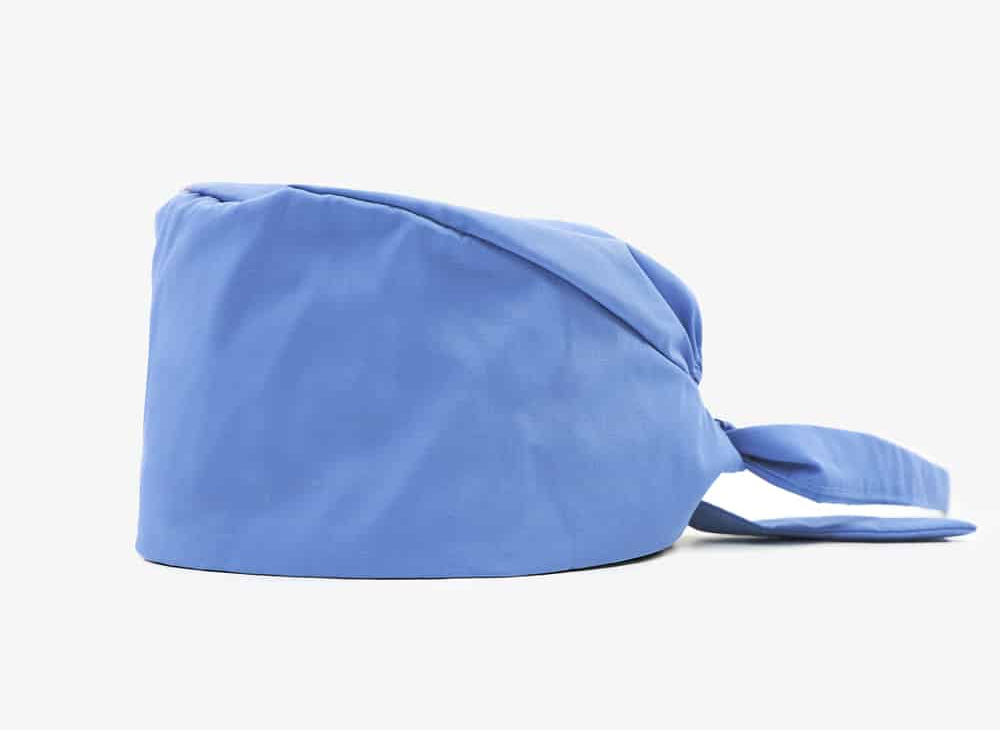
For individuals with extended hair, dense plaits, or broader head measurements, a roomy bouffant nurse cap avoids uneasy crowding at the neck. The bouffant design incorporates a mild, broad elastic strip that collects greater fabric volume into a rounded, pleasant form. It readily accommodates a substantial knot without tugging at the hair base. Furthermore, a broad strip spreads the pressure uniformly over the skull’s rear, securing the cap firmly without inducing discomfort.
Balancing Hospital Budgets with Staff Comfort
Hospital procurement directors face a daily battle between keeping supply costs low and keeping the medical staff happy. Buying the cheapest paper hats available often backfires when frustrated nurses double-layer them to stop tearing. Making a smart purchasing decision requires looking at long-term daily wear numbers.
If a hospital buys 1,000 cheap paper hats a week, the trash bins fill up constantly, driving up biohazard disposal fees. The staff complains about itchy foreheads, and morale drops slightly every morning when they put the cheap gear on.
Switching a department over to high-quality cloth nursing headwear changes the daily math. A premium cloth hat might cost $5 upfront. But if a nurse wears it for 150 shifts, the cost per wear drops to pennies. More importantly, the nurse feels valued. They spend their shift thinking about their patients, not adjusting an itchy, poorly fitting piece of paper on their head. Investing in good fabric is actually an investment in the daily focus of your medical team. You eliminate a major physical distraction from their highly stressful workday.
Conclusion
Finding the right balance of fabric, fit, and air circulation transforms a miserable hospital shift into a manageable one. Whether your clinic relies on disposable nurse caps for quick turnover or invests in durable reusable scrub caps for the surgical team, quality must come first. You need a manufacturing partner who actually understands the strict demands of the medical field. Fuyi Group has spent over 50 years mastering the design and production of premium medical uniforms and accessories. Operating advanced manufacturing facilities, Fuyi Group delivers exceptionally crafted nursing headwear that meets rigorous global hospital standards. From sourcing the softest breathable fabrics to perfecting the final stitching, they provide gear that healthcare heroes actually want to wear. Contact us today to upgrade your medical apparel supply.
FAQs
Q: Are reusable scrub caps safe for surgery?
A: Yes, proper medical-grade reusable scrub caps are entirely safe when washed daily following strict hospital sterilization guidelines.
Q: What makes a breathable nurse cap different?
A: A breathable nurse cap uses lightweight, porous fabrics like pure cotton to let trapped heat escape instantly.
Q: Should our clinic buy disposable nurse caps?
A: Disposable nurse caps work best for quick outpatient procedures, offering fast changes and zero laundry costs for clinics.